Exploring Traditional Nomadic Life: A Journey Through Morocco's Berber Heritage


Morocco's Berber heritage offers a fascinating glimpse into a way of life that has withstood the test of time. The Berbers, or Amazigh, are known for their traditional nomadic lifestyle, which continues to thrive in the diverse landscapes of Morocco. Exploring this rich cultural heritage allows travelers to understand a unique aspect of Moroccan history and society.
The Roots of Berber Culture
The Berbers have inhabited North Africa for thousands of years, long before the arrival of Arab settlers. Their culture is characterized by a deep connection to the land, which is evident in their traditional practices and customs. The Berber language, Tamazight, is an integral part of their identity and is still widely spoken in many regions.
Family and community hold great significance in Berber society. Traditionally, Berber communities are organized around clans and tribes, each with its own distinct customs and traditions. These communities have historically been nomadic, moving with the seasons to graze their livestock.
Nomadic Lifestyle
The nomadic lifestyle of the Berbers is largely dictated by the environment. Many Berbers are pastoralists, herding sheep, goats, and camels across the rugged terrain of the Atlas Mountains and the vast Sahara Desert. This way of life requires resilience and adaptability, as they move in search of water and pasture.
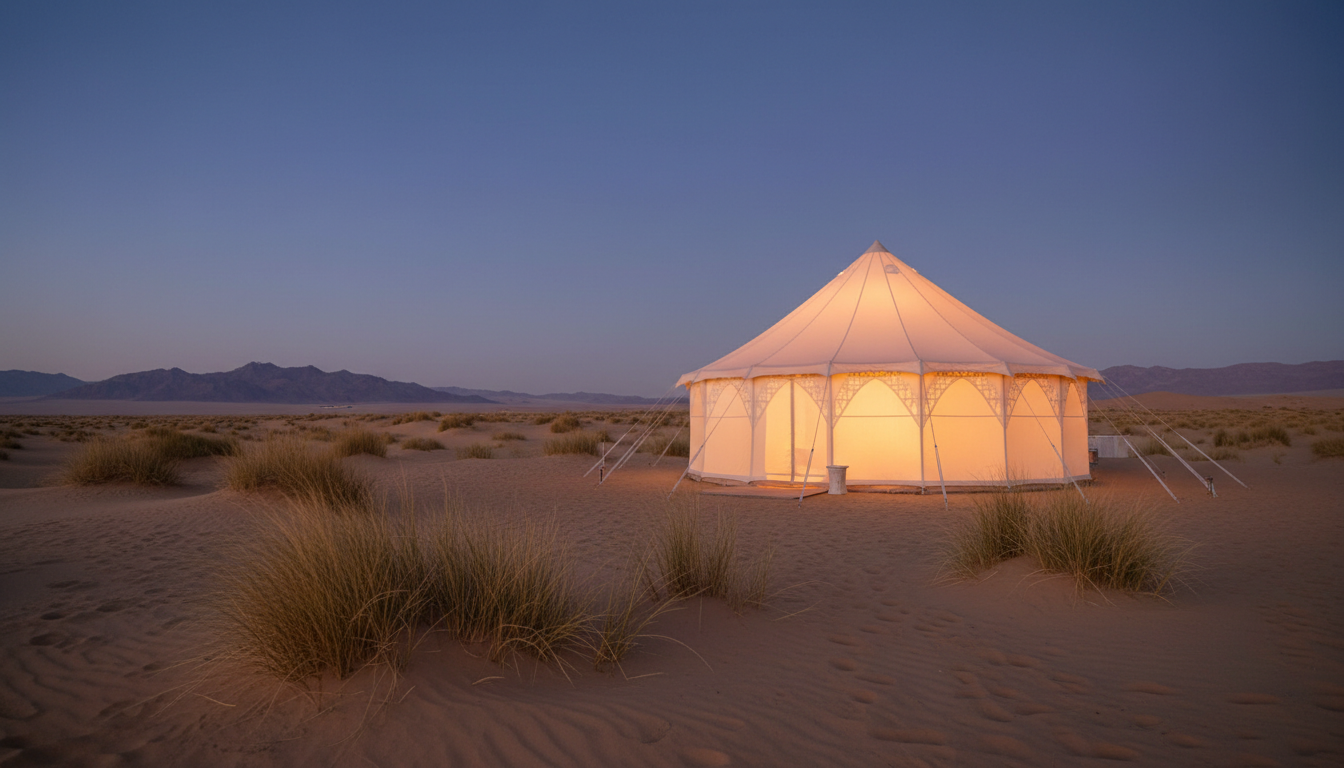
Berber tents, known as "Khaimas," are an essential part of their nomadic existence. These portable homes are made from woven wool and provide shelter from the harsh climate. Inside, the tents are often richly decorated with colorful textiles and traditional patterns.
Art and Craftsmanship
Berber craftsmanship is renowned for its beauty and functionality. The Berbers have a rich tradition of weaving, creating stunning carpets and textiles that tell stories through their intricate designs. Each piece is unique, reflecting the weaver's creativity and cultural heritage.
Jewelry is another important aspect of Berber culture. Bold, intricately designed silver jewelry is often worn during festivals and special occasions. These pieces are not only decorative but also serve as symbols of identity and social status.

The Role of Music and Dance
Music and dance play a vital role in Berber culture, serving as a means of storytelling and preserving history. Traditional Berber music is characterized by rhythmic drumming and melodic flute playing, often accompanied by vibrant dancing. These performances are a celebration of community and heritage, bringing people together to share in their cultural legacy.
Exploring Morocco's Berber heritage offers a unique opportunity to connect with a way of life that is both ancient and enduring. By understanding the traditions and values of the Berber people, travelers can gain a deeper appreciation for the diverse cultural tapestry that makes up Morocco.