Berber Heritage and Culture: An Authentic Moroccan Experience


Discovering the Berber Roots
Morocco, a country known for its vibrant colors and rich history, is a melting pot of cultures, with the Berber community being one of its oldest inhabitants. The Berbers, also known as the Amazigh, have lived in North Africa for thousands of years, and their influence is deeply woven into the fabric of Moroccan society. Travelers seeking an authentic experience can delve into the Berber way of life, exploring their unique traditions and customs.
Traditional Berber Villages
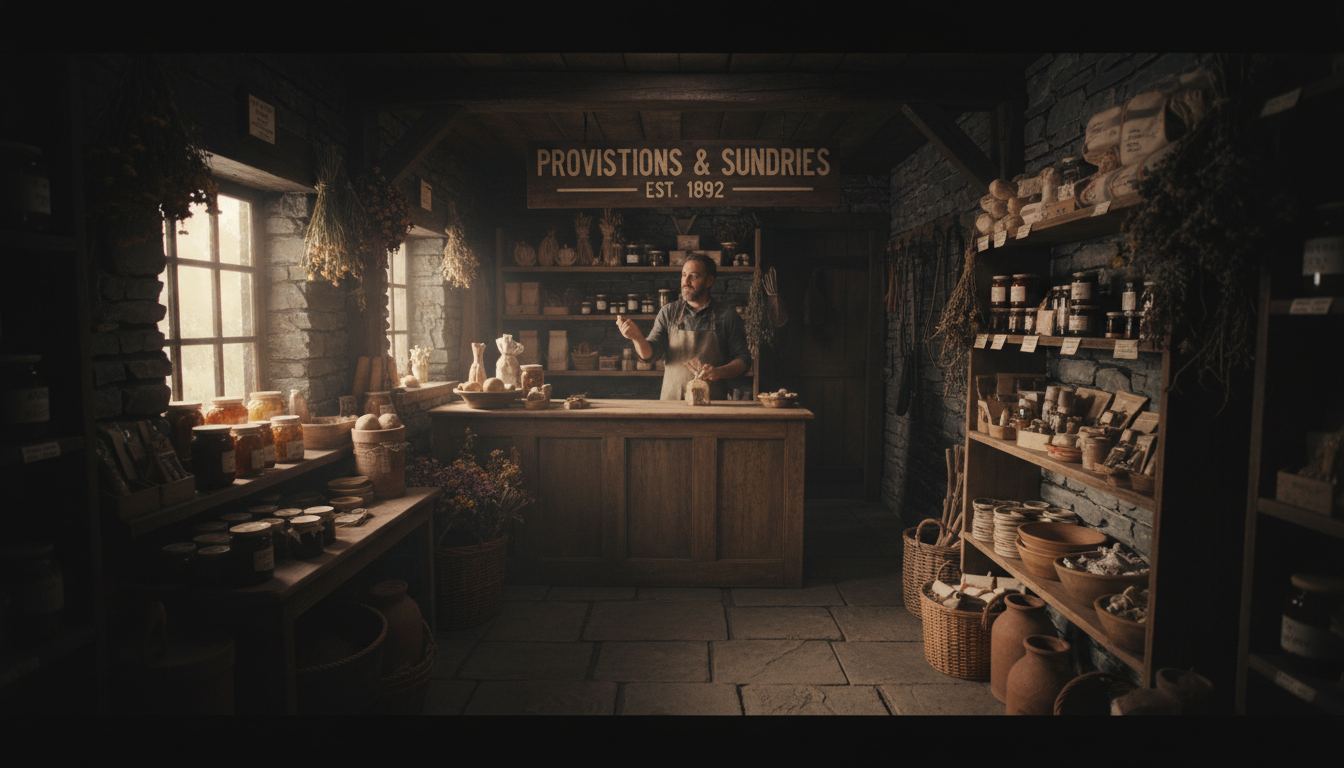
One of the best ways to experience Berber culture is by visiting traditional Berber villages nestled in the Atlas Mountains or the Sahara Desert. These villages, often built from mud bricks, blend seamlessly into the landscape, offering stunning views and a glimpse into a lifestyle that has remained largely unchanged for centuries. Visitors can interact with the locals and even participate in daily activities such as weaving and pottery making.
Culinary Delights
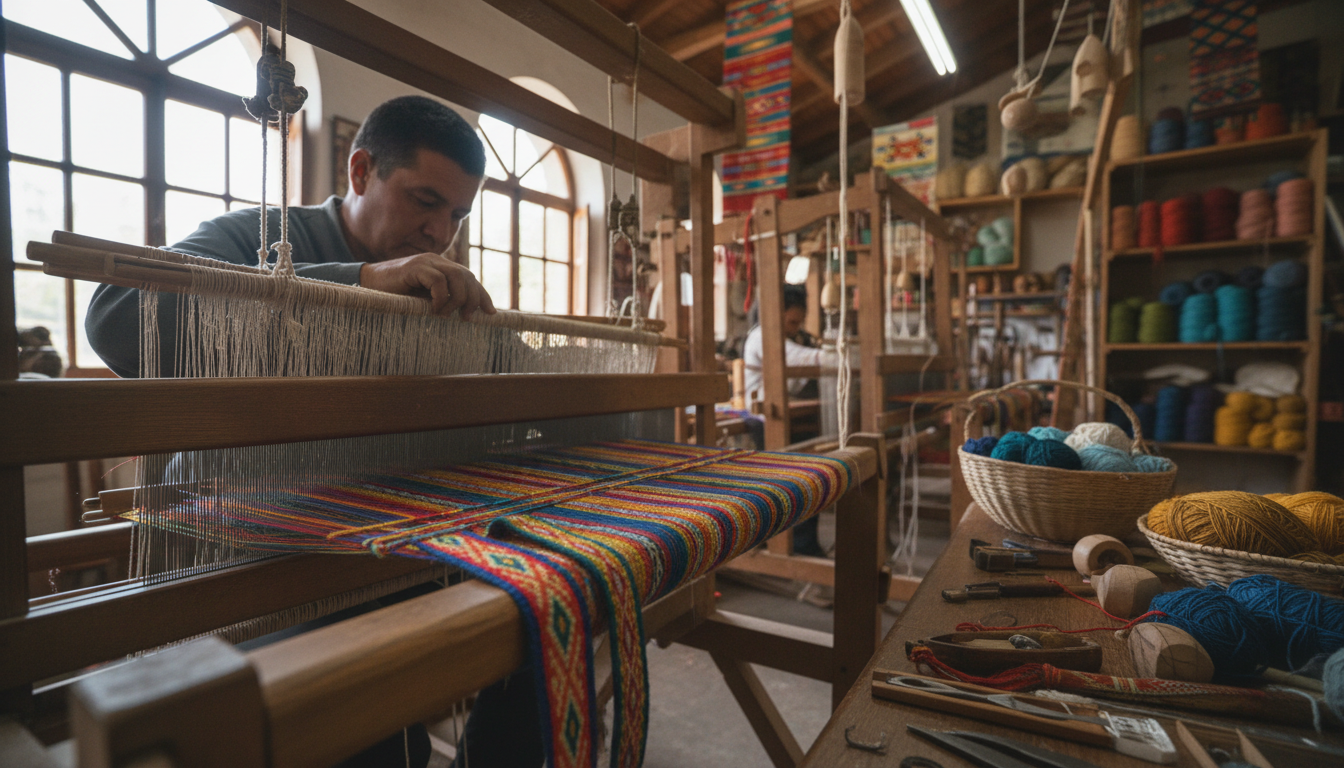
The Berber influence on Moroccan cuisine is undeniable. From hearty tagines to freshly baked bread, the flavors of Berber cooking are both simple and delicious. A typical Berber meal might include bread baked in a clay oven, a flavorful tagine cooked over an open flame, and a refreshing glass of mint tea. These dishes are not just meals; they are an expression of the Berber's connection to the land and their resourcefulness.
Music and Dance
Music and dance play a crucial role in Berber culture. Traditional Berber music often features rhythmic drumming accompanied by stringed instruments like the oud. Dance, too, is a vital form of expression, with each region having its own distinctive styles. Participating in a local festival can offer travelers a chance to witness these captivating performances firsthand.
Art and Craftsmanship
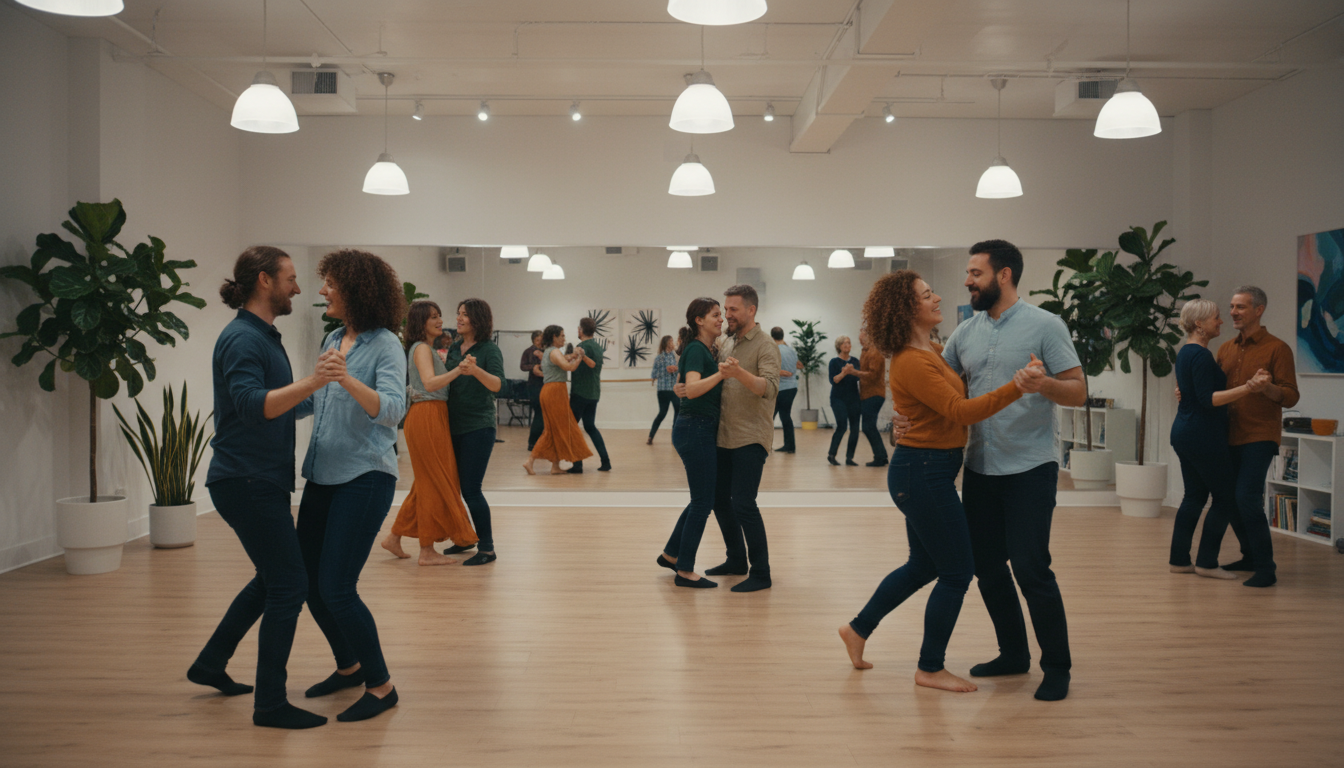
The artistry of the Berber people is reflected in their intricate carpets, jewelry, and pottery. Each piece is a work of art, telling its own story through vibrant colors and patterns. Berber carpets, for example, are often handwoven by women, with each design representing a particular tribe or region. This craftsmanship is a testament to the creativity and skill that has been passed down through generations.
Preserving Heritage
Efforts are being made to preserve Berber heritage and culture in the face of modernization. Initiatives to promote traditional crafts, language, and music are essential in maintaining this rich cultural tapestry. By supporting these efforts, travelers can contribute to the preservation of an invaluable part of Morocco's identity.
Planning Your Visit
For those interested in experiencing Berber culture, planning a visit to Morocco with a focus on cultural immersion can be incredibly rewarding. Consider staying in a Berber guesthouse, joining a guided tour of the Atlas Mountains, or even taking part in a cooking class to learn traditional recipes. Such experiences provide not only insight but also a deeper appreciation for the Berber way of life.
- Stay in a Berber guesthouse
- Join a guided tour of the Atlas Mountains
- Participate in a traditional cooking class
Immersing yourself in Berber heritage is more than just a journey through time; it is an opportunity to connect with the heart and soul of Morocco. The warmth and hospitality of the Berber people will leave a lasting impression, ensuring that your Moroccan adventure is both unforgettable and enriching.